Thank you for writing to us. One of our executive will reach back to you through your submitted medium. In case there’s an urgency, feel free to connect over WhatsApp for faster response.
Prefer calling? Dial +918048038879 (International callers) or 08048038879 (Indian callers).
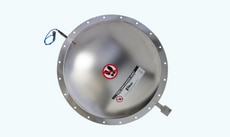
Explosion vents are installed on the vessel and designed to open at a controlled pressure, providing a planned pathway for expanding gasses and flames to escape in outdoor applications.
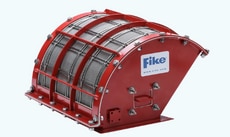
Flameless vents are installed on top of explosion vents and contain multiple layers of high temperature stainless steel mesh to absorb the heat of a deflagration. By cooling the deflagration beneath the fuel’s ignition temperature, combustion is stopped and only pressure escapes the device.
Certain applications, and their unique geometries, configurations and dust hazards, require a specific isolation device and reliable system design to contain the deflagration to the equipment from which combustion occurred.
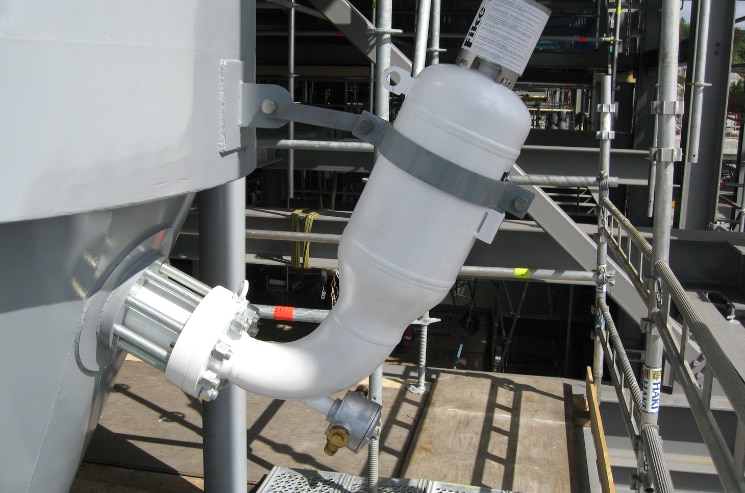
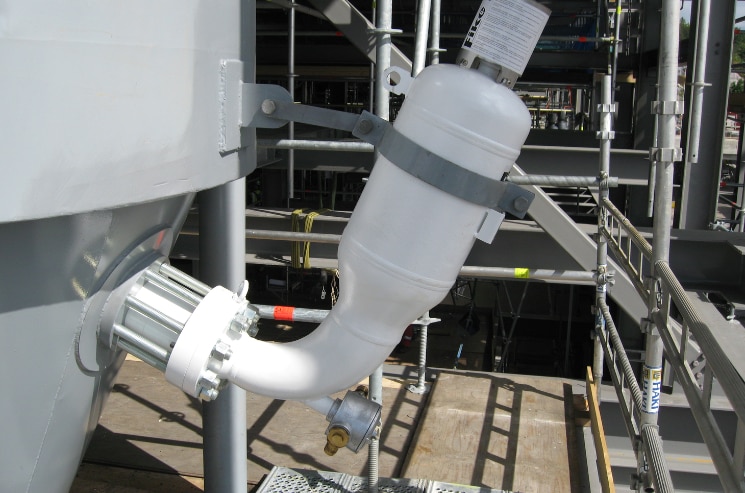
Releases extinguishment powder at high velocity into the equipment to suppress an explosion in an early stage to minimize damage inside the protected equipment with a low risk of secondary fire and explosion. Suitable for organic and metal dust explosions in small, large and very large vessels with regular or food grade suppression agent.
Types of Combustible Dust and Tests
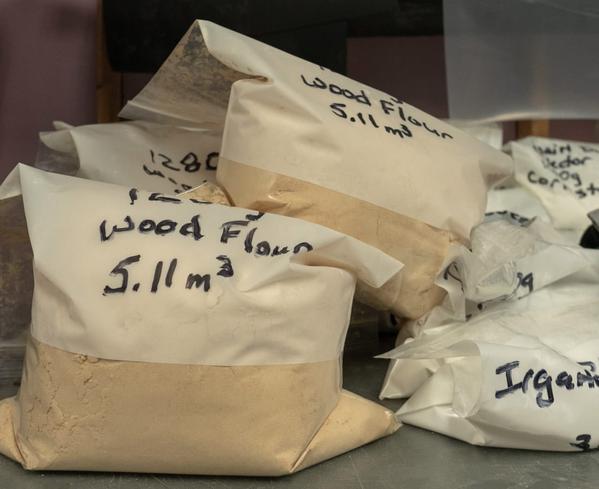
The Combustion Test Lab tests a wide variety of dusts, including but not limited to:
- Metals
- Plastics
- Polymers
- Organics
- Chemicals
- Grain
- Coal
- PVC
- Sugar
- Coffee
- Starch
- Paper
- Wood
- Sulfur
Our combustible dust tests
- Explosibility Screening Test (20 L and 1 m3) – determines potential for combustion.
- Dust Explosibility Test (20 L and 1 m3) – determines Pmax, dp/dtmax, and KST; measures potential explosion severity of a fuel-air mixture.
- Limiting Oxidant Concentration – determines limiting oxidant concentration at elevated temperature and pressure.
- Minimum Ignition Energy for Dusts – determines lowest spark energy required to initiate a dust explosion; assesses relative sensitivity of the sample to ignition by electrical sparks.
- Minimum Dust Layer Ignition Temperatures – determines minimum temperature at which a dust layer will ignite when exposed to a heated surface; provides a relative measure of dust ignitability.
- Particle Size Analysis – determines particle size distribution of test sample along with statistical measurements (mean, median and mode).
You May be Storing Combustible Dusts – NFPA 652 Compliance
The new combustible dust standard NFPA 652 mandated full compliance by October 2018. Are you compliant to the new code?
The first step toward compliance of NFPA 652 is to perform a combustible dust test of your facility’s processing dust. If the results are positive, a dust hazard analysis (DHA) is then required, which will identify the most susceptible equipment and effective solutions.